What Are The Differences Between Ceramic And Porcelain Tiles?
Ever thought choosing ceramic over porcelain tiles might be a big mistake for your floors? Knowing the differences between ceramic and porcelain tiles is key. Both are popular for looks and durability, but they have unique traits for different uses. This tile comparison helps homeowners and builders make the right choice for their needs.
Key Takeaways
- Ceramic tiles are made from semi-coarse clay and fired at lower temperatures than porcelain tiles.
- Porcelain tiles are more durable because they are denser and absorb less water.
- Ceramic tiles are cheaper and easier to install, perfect for DIY projects.
- Porcelain tiles last longer, great for areas with lots of foot traffic.
- The look of both tile types is very different, allowing for many design options.
Understanding Ceramic Tiles
Ceramic tiles are a popular choice for flooring in homes. They are made from natural materials like clay, water, and additives. These tiles are fired at high temperatures, making them durable and suitable for indoor use.
Composition of Ceramic Tiles
Ceramic tiles are made from coarse clay and natural minerals. They are fired at high temperatures, giving them a strong and semi-coarse texture. Glazing makes them water and stain resistant, perfect for indoor use.
Types of Ceramic Tiles
There are many types of ceramic tiles to choose from. Glazed tiles have a protective coating for various finishes and colors. Unglazed tiles have a natural look but need sealing. Through-bodied tiles have consistent color, great for both looks and function.
Uses of Ceramic Tiles
Ceramic tiles are used in many parts of the home. They are great for bathrooms, living rooms, and kitchen backsplashes. They are easy to clean and look good, making them a favorite among homeowners.

Overview of Porcelain Tiles
Porcelain tiles are a special kind of ceramic tile. They are known for being strong and versatile. Made from finer clay like kaolin, they are fired at high temperatures.
This makes them denser and harder. They are great because they absorb little moisture and last long.
Composition of Porcelain Tiles
What makes porcelain tiles unique is their composition. They are made to absorb less than 0.5% moisture. This means they are less likely to crack or stain.
The high-temperature firing makes them strong. They are perfect for both inside and outside, even in busy areas.
Types of Porcelain Tiles
Porcelain tiles come in different types, based on how much moisture they can handle. Impervious tiles are very resistant to moisture. They're great for places with lots of water.
Vitreous tiles can handle some water, making them good for areas with occasional water. Non-vitreous tiles absorb more moisture and are best for dry places. This variety helps people choose the right tile for their needs.
Applications of Porcelain Tiles
Porcelain tiles are used in many places because they are durable and look good. They work well in bathrooms and kitchens because they resist water. They also do well outside, handling different weather.
Businesses use them in busy areas because they can handle a lot of foot traffic. Their ability to stay strong in many environments makes them a popular choice.
Key Differences in Durability
It's important to know how ceramic and porcelain tiles differ in durability. Things like how well they resist breaking and how much water they absorb are key. These factors help decide how well the tiles will do in different places.
Resistance to Breakage
Porcelain tiles are much better at resisting breakage than ceramic tiles. This is because porcelain is denser. It can handle more weight and can't crack or chip as easily. This makes porcelain great for places where lots of people walk, like offices.
Ceramic tiles, on the other hand, are not as durable. They're better for areas where not as many people walk. Knowing this helps pick the right tile for homes and businesses.
Water Absorption Rates
Water absorption rates show another big difference between ceramic and porcelain tiles. Porcelain tiles don't absorb much water, less than 0.5% of their weight. This makes them perfect for places that get wet, like bathrooms and kitchens.
Ceramic tiles, though, absorb more than 0.5% of their weight. This means they're not as good for wet places. How well a tile handles water is very important for its lasting quality.

Differences in Appearance
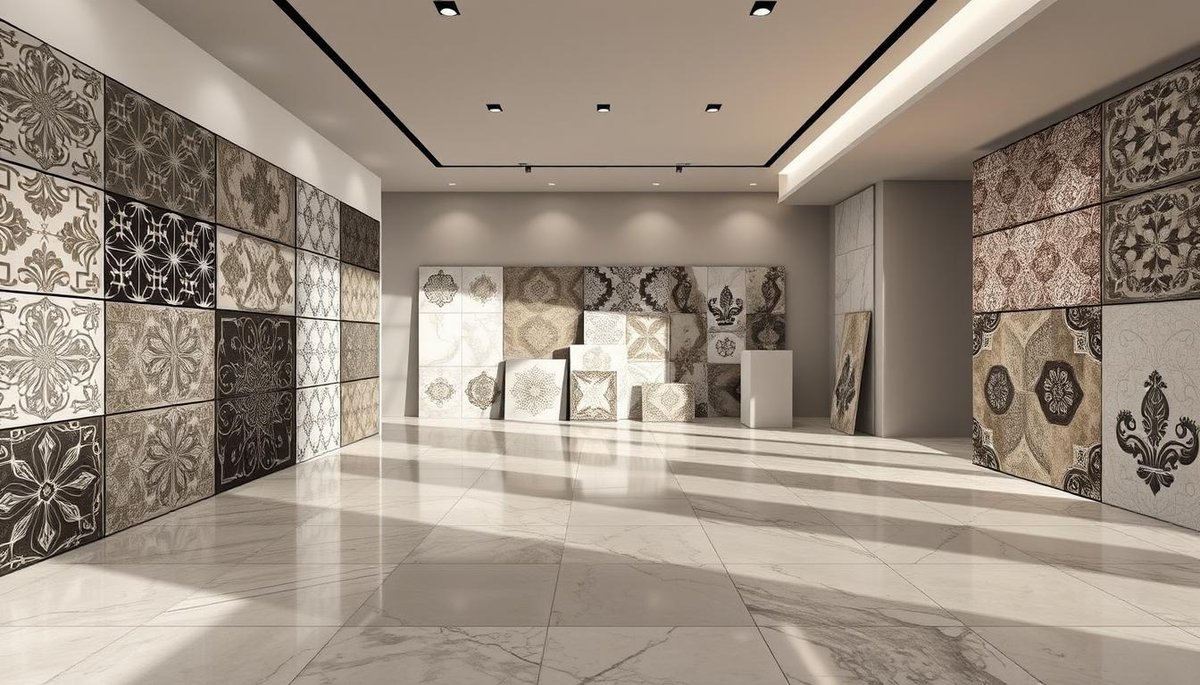
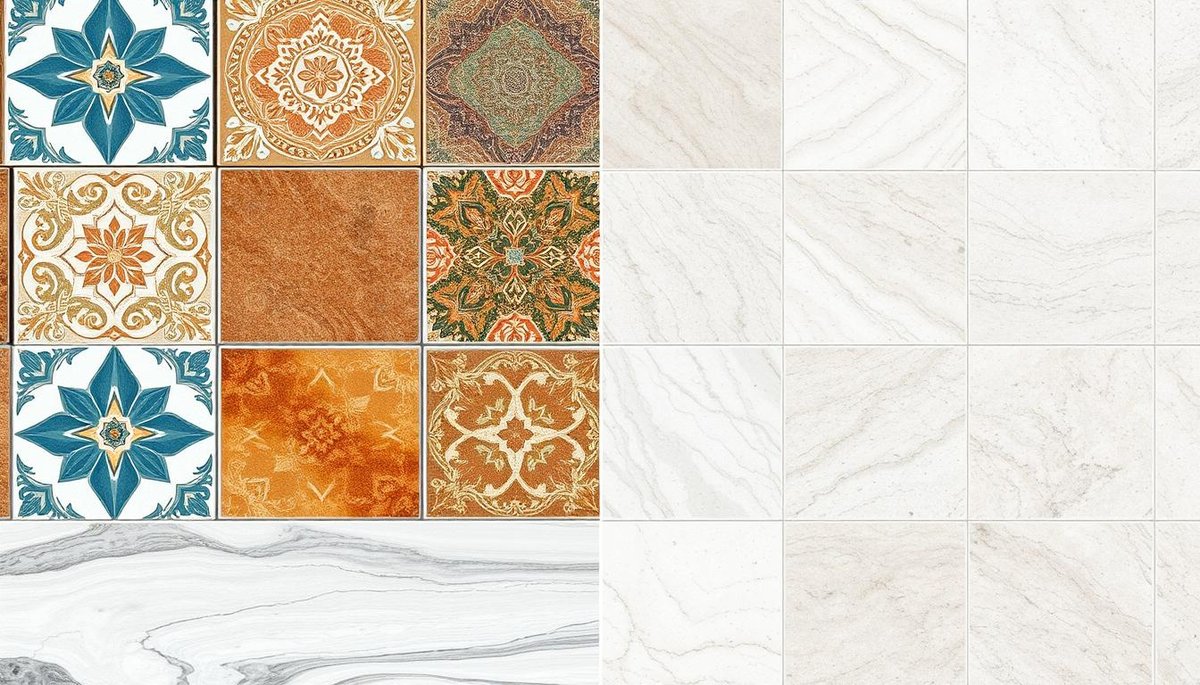
Tiles' look greatly affects interior design. Ceramic and porcelain tiles have different surface finish options. Ceramic tiles can be glazed in many colors and designs. Porcelain tiles, on the other hand, have a more uniform look, perfect for busy areas.
Surface Finish Options
Ceramic tiles are great for showing off textures and patterns. Their glazing allows for many colors and designs. This makes them perfect for tile design and ceramic tile trends that match today's styles.
Porcelain tiles, though less decorative, can look like stone or hardwood. They add a sophisticated and elegant touch to any space.
Color and Design Variability
Ceramic tiles offer a wide range of color and design variability. They're great for making spaces truly unique. Porcelain tiles, with their subtle colors, create a timeless look.
This choice depends on whether you want something bold and personal or a more polished look.
Maintenance Requirements
Keeping your tiles clean and looking good is key to making them last. Knowing how to care for different types of tiles is important. Here are tips for cleaning and maintaining ceramic and porcelain tiles.
Cleaning Ceramic Tiles
For cleaning ceramic tiles, start with sweeping and damp mopping with a mild soap. This keeps dirt away and stops grime from building up. Glazed ceramic tiles are easier to clean than unglazed ones.
Unglazed tiles might need a sealer now and then because they soak up stains easily. Taking good care of ceramic tiles keeps them looking and working well for a long time.
Cleaning Porcelain Tiles
Cleaning porcelain tiles is simple because they don't absorb much. Just sweep and mop with water and a bit of soap. They're great for places that get a lot of foot traffic, like hotels and offices.
Now and then, textured porcelain tiles might need a deeper clean to get rid of stubborn dirt. Regular porcelain tile maintenance keeps them in top shape. This makes them a smart choice for saving money in the long run.
Cost Comparisons
It's important to know the costs of different flooring options. Ceramic and porcelain tiles have their own prices and benefits. They can fit different needs and budgets.
Price Range of Ceramic Tiles
Ceramic tiles cost between $0.50 and $15 per square foot. This makes them a good choice for those watching their budget. The cost can vary based on materials, design, and thickness.
Even though ceramic tiles are not as durable as porcelain, they are cheaper upfront. This can be a big plus for saving money.
Price Range of Porcelain Tiles
Porcelain tiles cost between $3 and $35 per square foot. They are pricier than ceramic but last longer and absorb less water. This can save money in the long run, even if they cost more at first.
For more information on tile flooring, check out our website. It covers installation and available products.

Installation Differences
Knowing how to install ceramic and porcelain tiles is vital for a great home makeover. To start, make sure the area is ready for both types of tiles. Both need a strong base, like cement board, to last long.
Preparation for Installation
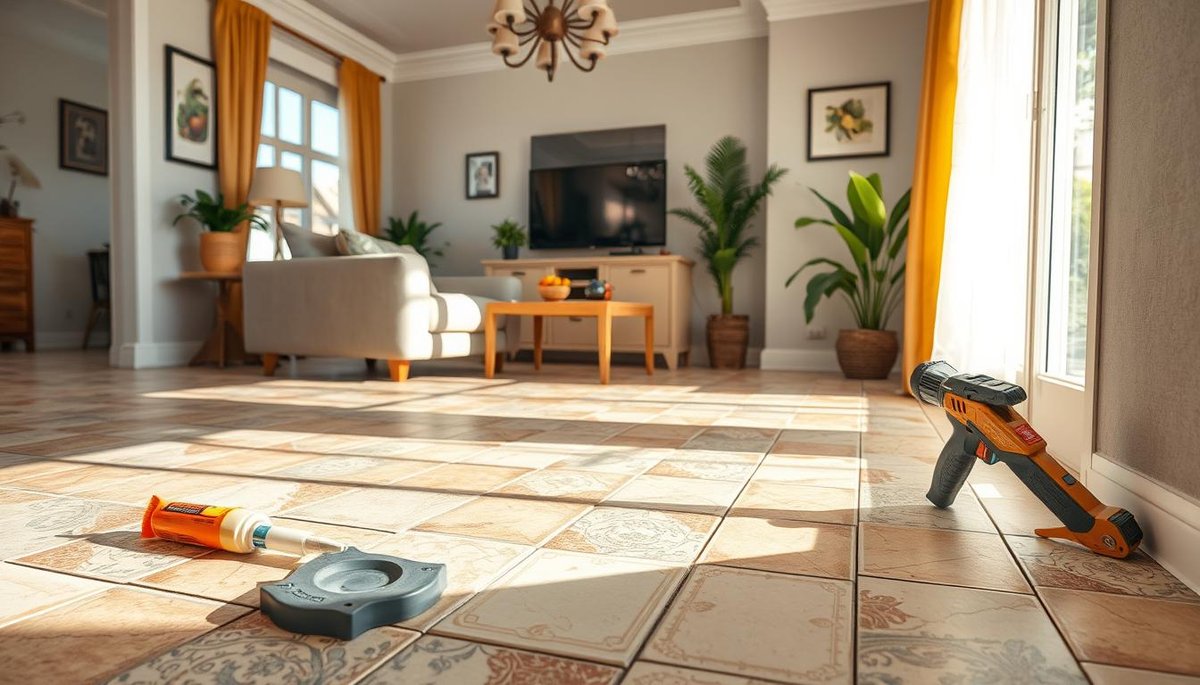
Getting ready to lay tiles starts with checking the area. Ceramic tiles are lighter and easier to work with, perfect for DIY fans. Many homeowners can handle installing ceramic tiles by themselves.
But, porcelain tiles are heavier and more delicate. They need careful handling and a precise installation process. This requires more skill and attention.
Installation Process for Each Tile
Ceramic tiles are quicker to install because they're lighter. This makes it easier for homeowners to do it themselves. They need fewer tools, making the job simpler.
Porcelain tiles, though, need a pro's touch. They require a wet saw for accurate cuts. This is because of their density and the need for precision.
Suitable Areas for Use
Choosing the right tile for specific areas is key for both looks and durability. It's important to think about where you'll use the tile. This includes whether it's for indoors or outdoors, and if it's for a business or a home. Knowing these details helps pick the best tile for your project.
Indoor vs. Outdoor Applications
Ceramic tiles are best for inside use. They look great in dry places where looks matter most. On the other hand, porcelain tiles are perfect for outside. They can handle moisture well, making them great for areas like patios or poolside.
Commercial vs. Residential Usage
In businesses, porcelain tiles are top choice because they last long and can handle lots of people. They're perfect for places like office lobbies and stores. Ceramic tiles, though, are better for homes with less foot traffic. They're cheaper and come in many designs, making them a good choice for homeowners.
Environmental Impact
As we become more aware of environmental issues, choosing sustainable flooring becomes key. Ceramic and porcelain tiles both have their pros and cons. Knowing these can help us make choices that are better for our planet.
Sustainability of Ceramic Tiles
Ceramic tiles can be made from natural, sustainable materials. But, making them uses a lot of energy. This can make them less eco-friendly.
They also need to be sealed sometimes, which can be bad for the environment. But, there are eco-friendly ceramic options out there. These are better for those who want to help the planet.
Sustainability of Porcelain Tiles
Porcelain tiles are great because they don't absorb much water. This makes them perfect for busy areas. They can last for many years, which means they need to be replaced less often.
Using recycled materials or eco-friendly ways to make them makes porcelain tiles even better. These options reduce waste and keep high standards. Plus, they don't have harmful chemicals, making them healthier for indoor spaces.
Trends in Tile Design
Tile design is always changing, showing a mix of beauty and durability. People want tiles that look good and last long. They look for the latest ceramic tile trends for different rooms, focusing on both looks and function.
Popular Ceramic Tile Trends
Ceramic tiles now come in bold colors, detailed patterns, and new textures. These features can make kitchens and bathrooms look amazing. Ceramic tiles are great for backsplashes and countertops because they're versatile and stylish.
Popular Porcelain Tile Trends
Porcelain tiles are trending towards looks that resemble wood and stone. This trend brings the outdoors in while keeping the durability of porcelain. Big formats also mean less grout, giving a clean, modern look. Porcelain's design improvements keep it a favorite for stylish floors.

Selecting the Right Tile
Choosing the right tile is a big decision. You need to think about where you'll put it, how wet it will get, what it looks like, and how much it costs. Each tile has its own strengths, so picking the right one is important.
Factors to Consider
Think about where you'll put the tile. Porcelain tiles are great for outdoors and places that get wet a lot, like bathrooms and kitchens. They're tough and can handle a lot of foot traffic.
Ceramic tiles are cheaper and come in many colors and patterns. They're good for areas that don't get used as much.
Expert Recommendations
Experts often recommend porcelain tiles for areas that need to be tough and can get wet. They last longer and look good for a long time. But, if you're on a tight budget and it's not a busy area, ceramic tiles are a good choice.
Getting advice from a professional can help you find the perfect tile for your project.
Contact Us for Your Flooring Needs
Thinking about new flooring? American Flooring is a top choice. We've been in the business for over 20 years. Our team offers quality services in tiles, hardwood, carpet, and luxury vinyl plank.
We guide you from start to finish. Our goal is to make the process smooth and fit your needs perfectly.
Why Choose American Flooring?
American Flooring is known for excellence in Lansing and DeWitt. Our team is skilled in flooring solutions and dedicated to making customers happy. We have the right flooring for homes or businesses.
Locations and Contact Information
Find American Flooring in several Michigan spots. Call us at 517-349-4300 in Okemos, 517-246-0450 in DeWitt, or 517-321-6000 in West Lansing. For our Flooring Outlet, dial 517-721-7323. Come see our flooring options and get advice on your needs.
FAQ
Ceramic tiles are made from coarse clay and fired at lower temperatures. This makes them lighter and semi-coarse. Porcelain tiles, on the other hand, use finer clay and are fired at higher temperatures. This results in a denser, harder tile with less water absorption
Ceramic tiles can work in wet areas but aren't best for very moist places. Porcelain tiles are better for bathrooms and kitchens because they resist moisture and absorb less water.
Porcelain tiles often cost more than ceramic tiles, but prices vary. Ceramic tiles can be $3 to $50 per square foot. Porcelain tiles usually range from $2 to $45 per square foot.
Ceramic tiles come in many finishes and colors, making them versatile. Porcelain tiles also come in various colors but often have a uniform look. They can even look like natural stones or wood.
To keep ceramic tiles clean, sweep and mop with a damp cloth. Glazed tiles are easier to clean. Porcelain tiles need similar care but are easier to clean because they're less porous.
Porcelain tiles are better for busy areas because they're durable and less absorbent. They're great for homes and businesses.
Ceramic tiles are easier to handle and can be a DIY project. Porcelain tiles, being heavier and denser, often need a pro to install.
Ceramic tiles are trending with bold colors, patterns , and textures for kitchens. Porcelain tiles are going for natural looks and larger formats for a modern feel.
Think about the area, moisture, look you want, and budget. A flooring expert can help find the perfect tile for you.
Both tiles use natural materials, but their impact varies. Look for eco-certified options to reduce your carbon footprint.