How is LVT Different from Standard Vinyl Flooring?
Did you know that picking between two similar flooring options can change your home's value and feel? We're looking into the big difference between Luxury Vinyl Tile (LVT) and standard vinyl flooring. These two might look similar at first, but they have big differences that matter for your home or business.
The main difference between LVT and vinyl flooring isn't just looks. It's about the materials, how long it lasts, how it's installed, and how easy it is to keep clean. If you're in the Greater Lansing area looking for flooring, knowing the LVT advantages over vinyl flooring is key. Let's dive into these differences so you can make the best choice for your space.
Key Takeaways
- LVT can last over 20 years, much longer than standard vinyl's 5 to 10 years.
- LVT's design lets it handle up to 50% more foot traffic than standard vinyl.
- LVT is easy to install in different ways, like click-lock, adhesive, and loose-lay.
- Standard vinyl is cheaper but doesn't offer the comfort and insulation LVT does.
- LVT costs $3 to $7 per square foot, while standard vinyl is $1 to $3.
- Both LVT and standard vinyl are easy to clean with just sweeping and mopping.
Understanding LVT and Standard Vinyl Flooring
Choosing the right flooring for your home is key. Luxury Vinyl Tile (LVT) and standard vinyl flooring are two top picks. LVT is known for its high quality and looks like natural materials, making it a great choice for those who want style without breaking the bank. It's also durable and comfortable, thanks to its multi-layer design.
Definition of LVT
LVT stands out because it looks like natural materials but is more durable. It has several layers, including a protective one, to fight off scratches and wear. This flooring is 100% waterproof, perfect for places with a lot of moisture. It also comes in many designs, making it a versatile choice for any room.
Definition of Standard Vinyl Flooring
Standard vinyl flooring is a more affordable option. It's made from a thinner layer of PVC vinyl with a protective coating. While it's cheaper, it's not as durable as LVT. It's best for areas with less foot traffic and moisture, but it can wear out faster than LVT.
Key Composition Differences
Flooring types have different foundations that affect their performance and how long they last. Understanding these differences shows how materials shape their unique traits.
Materials Used in LVT
LVT is made of several layers for better durability and comfort. It has a rigid core from WPC or SPC, a foam cushion, a wear layer, and a protective top coat. This mix helps LVT resist scratches and dents well, making it great for busy areas.
The materials in LVT look like natural surfaces but are more durable than traditional floors.
Materials Used in Standard Vinyl
Standard vinyl flooring has a thinner vinyl layer on a felt or fiberglass backing. This makes it more flexible. Its wear layer is thinner, lasting about 10 to 15 years.
Standard vinyl is lighter but less durable than LVT.
Impact on Durability
LVT and traditional vinyl differ a lot in durability. LVT's strong wear layer makes it last up to 25 years. Standard vinyl, on the other hand, needs to be replaced after about 15 years.
This shows LVT's benefits, like lasting longer in places with spills or lots of foot traffic.

Installation Methods Compared
When choosing flooring, knowing the difference between LVT and standard vinyl is key. Each has its own benefits and challenges. This affects both homeowners and professionals.
LVT Installation Techniques
LVT flooring offers many installation options. The most common are click-lock, glue-down, and loose-lay. Click-lock is easy for DIY, letting homeowners snap planks together without glue.
This method also helps keep water out, making it great for kitchens and bathrooms. For busy areas, glue-down options add extra stability.
Standard Vinyl Installation Techniques
Standard vinyl uses full glue-down or perimeter glue bonding. These methods often need a pro because they're complex. They require careful application to avoid uneven floors.
Minor subfloor issues can ruin the look of standard vinyl. Unlike LVT, these methods can't easily handle moisture problems.
Aesthetic Variations
Choosing the right flooring involves looking at how it looks. LVT and standard vinyl have different looks, fitting various spaces. They offer unique styles that match different tastes and needs.
Visual Appeal of LVT
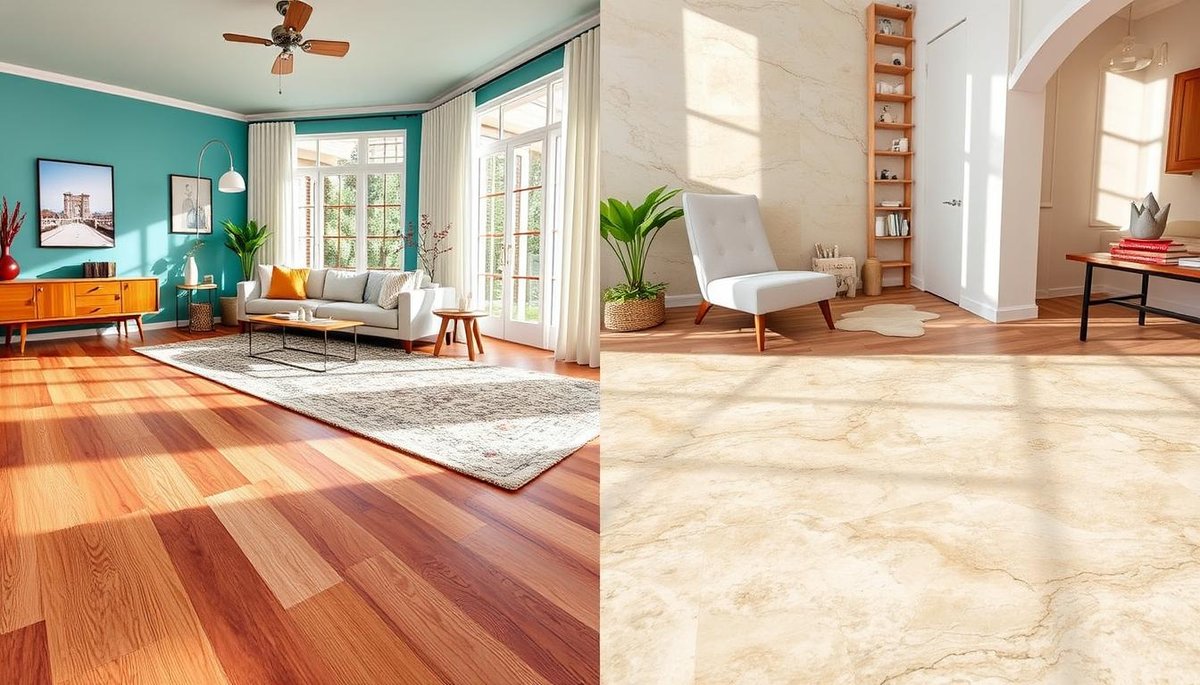
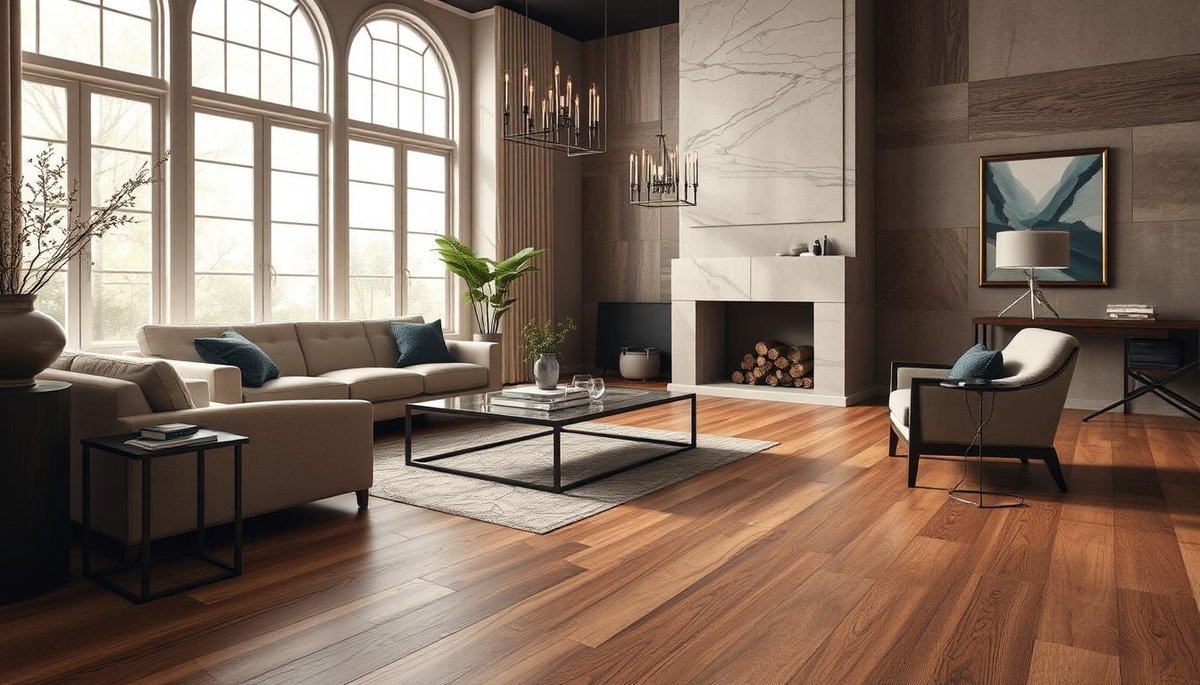
LVT looks amazing, with many designs that mimic wood, stone, or ceramic. Its advanced printing brings out bright colors and detailed textures. This makes LVT a top pick for those wanting style and durability.
Visual Appeal of Standard Vinyl
Standard vinyl tries to look like high-end floors but often falls short. It can look like ceramic, stone, or wood, but it's not as realistic as LVT. This makes LVT more popular for those wanting a real look.
Texture and Design Options
LVT shines in texture and design. It offers a premium feel with many textures. Standard vinyl, on the other hand, has a smooth surface, limiting its feel. This makes LVT a better choice for those who value both beauty and function.
If you're thinking about vinyl flooring, the East Lancing Vinyl Plank Flooring Company can help. They offer expert advice, installation, and care, ensuring your space looks its best.

Performance and Durability
When looking at flooring options, the durability of LVT and standard vinyl is key. Knowing how well they last helps people make better choices.
Longevity of LVT
LVT lasts from 20 to 25 years, depending on its thickness and quality. Luxury vinyl planks and tiles have wear layers from 12 mil to 28 mil. For busy places, a 28 mil thickness is best, making it more durable.
This makes LVT a smart choice for the long run.
Longevity of Standard Vinyl
Standard vinyl lasts about 10 to 15 years. It's not as strong as LVT, so it needs to be replaced more often in busy areas. Even though it's cheaper at first, it costs more in the long run.
Resistance to Wear and Tear
LVT is much better at resisting wear and tear than standard vinyl. Its advanced wear layers protect it from scratches and dents. Standard vinyl shows wear faster, mainly in places with lots of people walking by.
LVT also resists chips and cracks well. Even if something heavy is dropped on it, it's less likely to get damaged.
Cost Differences
When looking at new flooring, it's key to know the cost differences between LVT and standard vinyl. LVT prices range from $2 to $7 per square foot. The price varies based on design, thickness, and where it's made. People like LVT for its wide style options and durability.
Price Range for LVT
LVT costs can vary a lot, depending on its quality and features. High-quality LVP flooring starts at $3.50 per square foot and can reach $5. Installation complexity can add to the cost. For a 200 sq ft living room, installing LVT could cost between $770 and $1,150, including edge trimming materials.
Price Range for Standard Vinyl
Standard vinyl flooring is more affordable, costing between $0.50 and $2 per square foot. Its lower price makes it appealing to those on a tight budget. Despite being cheaper, it can look like more expensive materials.
Value for Money Considerations
While standard vinyl is cheaper upfront, LVT offers better value over time. LVT's durability and looks make it a long-term investment. Whether to choose LVT or standard vinyl depends on what you value most and your budget.
Maintenance and Care
Keeping your floors clean is key to making them last longer. Both luxury vinyl tile (LVT) and standard vinyl need regular care. This care helps them stay looking great for years.
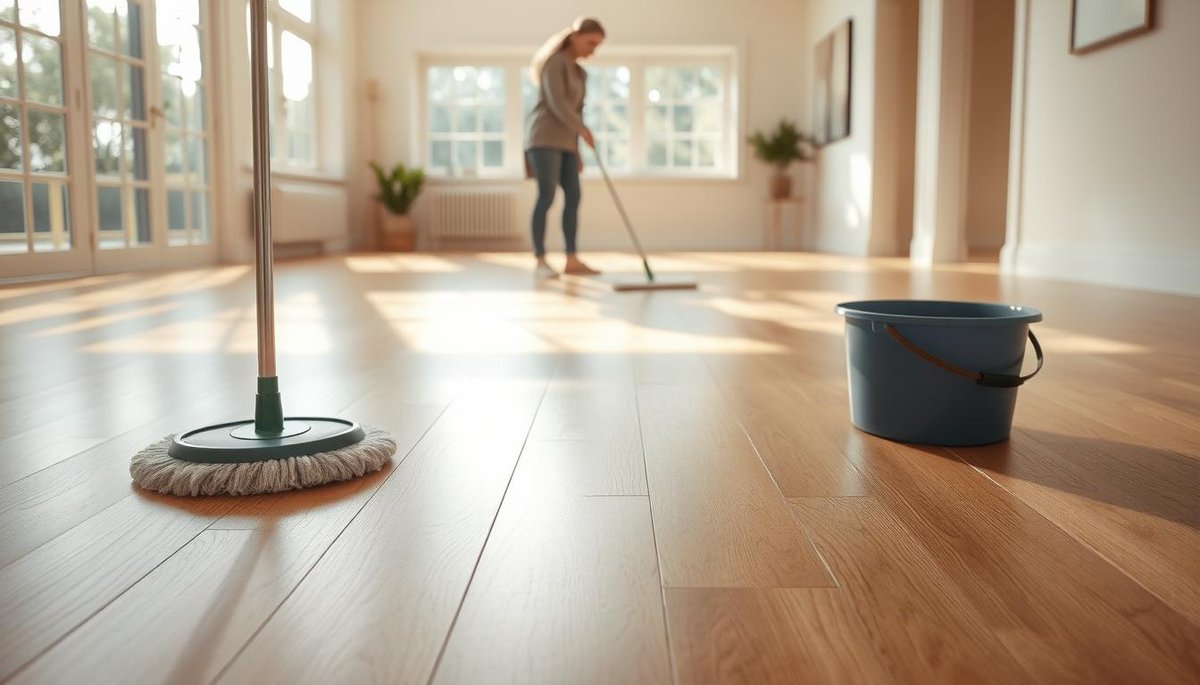
Cleaning Requirements for LVT
For LVT, you should sweep and mop often to keep it clean. If stains happen, they can be removed easily without harming the floor. This is because LVT has a special layer that protects it from stains.
One of the best things about LVT is how easy it is to take care of. It doesn't need to be polished, sealed, or refinished. This makes it perfect for homes where time is short.
Cleaning Requirements for Standard Vinyl
Standard vinyl also needs to be swept and mopped regularly. But, it's softer and can get scratched easily. So, you have to be gentle when cleaning it.
Using a cleaner that's pH-neutral is important. It helps keep the floor's finish in good shape. This way, your floor will look great for a long time.
Lifespan Considerations
Not taking care of your floors can make them wear out faster. LVT can last from 15 to 25 years, depending on how well it's cared for. Standard vinyl can last up to 40 years if you take good care of it.
But, standard vinyl is more delicate and can get damaged easily. LVT is more durable because it's made to withstand stains and scratches better.

Environmentally Friendly Options
The flooring industry is changing to meet our growing need for sustainable living. Now, we have many eco-friendly products that look good and last long. Both eco-friendly LVT and standard vinyl options are great for the planet.
Eco-Friendly LVT Choices
LVT products often use recycled materials and have low-VOC emissions. Brands focus on being green by choosing responsible sources and making products in a sustainable way. LVT looks like wood or stone, making it a stylish choice that's also good for the environment.
It's also very durable. This means you don't have to replace it often. This helps reduce waste over time.
Eco-Friendly Standard Vinyl Choices
Standard vinyl also has eco-friendly options, but the quality and environmental impact can vary. More manufacturers are making vinyl from recycled materials and using less harmful chemicals. Choosing brands that care about the environment is key.
Like LVT, eco-friendly standard vinyl adds beauty to any space. It's also durable, making it perfect for many uses.
It's important for eco-conscious consumers to explore their options. Look for products with certifications like FloorScore or GREENGUARD. These show they meet high environmental and health standards.
For more information on sustainable flooring, check out local resources and brands that focus on green materials. You can also look at top flooring companies in Okemos.
American Flooring's Offerings
American Flooring serves the Greater Lansing area with a wide range of flooring options. They offer elegant parquet, durable hardwood, and innovative vinyl solutions. It brings unique designs to any kitchen.
Popular Uses
Choosing the right flooring is key. It depends on the type of space you have. Luxury Vinyl Tile (LVT) and standard vinyl have different uses. Knowing where to use each can make your space look and feel better.
Where to Use LVT
LVT is great for homes, handling moisture and lots of people. It's perfect for kitchens, bathrooms, and living rooms. It's also good for offices or small shops because it looks nice and is easy to clean.
Where to Use Standard Vinyl
Standard vinyl is best for places with a lot of water, like bathrooms and laundry rooms. It's cheap and keeps water out. But, it's not as tough as LVT, so it's not for busy areas. It's for projects that focus on saving money over fancy looks.
Customer Preferences
When choosing flooring, people often follow current trends. These trends help decide between LVT and standard vinyl. Knowing these trends can help homeowners make better choices.
Trends Influencing LVT Selection
LVT is getting more popular because it looks like natural materials. It's also durable, lasting up to 25 years. This makes it a smart choice for many.
More people want eco-friendly and comfy flooring. DIY installation is also gaining fans, thanks to LVT's click-lock system. About 30% of homeowners pick LVT for these reasons.
Trends Influencing Standard Vinyl Selection
Standard vinyl is great for those watching their budget. It costs between $0.50 and $2 per square foot. This makes it a popular choice for many.
People are looking for durable flooring in specific areas. But, the desire for better-looking options like LVT is growing. Standard vinyl's appeal is being tested by these new preferences.
Conclusion: Which is Right for You?
When choosing flooring, it's key to know the differences between LVT and standard vinyl. LVT stands out for its top-notch build and looks, perfect for busy spots. It also handles moisture well, but you must clean spills quickly to prevent harm.
On the other hand, standard vinyl is great for saving money and is simple to put in, ideal for DIY fans. Both types work well with underfloor heating, keeping your home cozy.
Experts at American Flooring suggest LVT for those in Lansing, MI, looking for lasting quality and style, like in kitchens and bathrooms. But, if you want something easy on the wallet and easy to install, standard vinyl is a good pick. Call us at (517) 349-4300 for advice on the best flooring for you.
FAQ
LVT has a multi-layer design with a rigid core. This makes it more durable and realistic-looking. Standard vinyl is thinner and less durable.
LVT lasts 20 to 25 years due to its strong construction. Standard vinyl lasts about 10 to 15 years and needs more frequent replacement.
LVT is often installed with click-lock or floating methods, making DIY easier. Standard vinyl needs a full glue-down or perimeter glue bond, which is more complicated.
Yes, LVT offers a premium look that mimics natural materials like wood and stone. It has advanced printing for vibrant colors and textures. Standard vinyl can look high-end but lacks the realism of LVT.
Both need regular cleaning like sweeping and damp mopping. LVT is more stain-resistant and less prone to scratches, making it easier to maintain than standard vinyl.
Many LVT products use recycled materials and low-VOC practices, making them eco-friendly. Standard vinyl also has eco-friendly options, but there's more variability in environmental quality.
LVT is great for kitchens, bathrooms, and living rooms because of its durability and water resistance. Standard vinyl is often used in bathrooms and laundry rooms but may not be best for high-traffic areas.
People are choosing LVT for its natural look, easy installation, and durability. Standard vinyl is popular for those on a budget, but LVT's long-term value is winning over more homeowners.
Standard vinyl is cheaper upfront, but LVT's durability and beauty make it a better investment over time. LVT offers more value despite its higher initial cost.