How Does Porcelain Differ From Ceramic Tiles?
Ever wondered why some tiles are better for certain places? Or why one lasts longer than another? Many people mix up porcelain and ceramic tiles, not knowing they're different. Knowing these differences can really help you choose the best tile for your project.
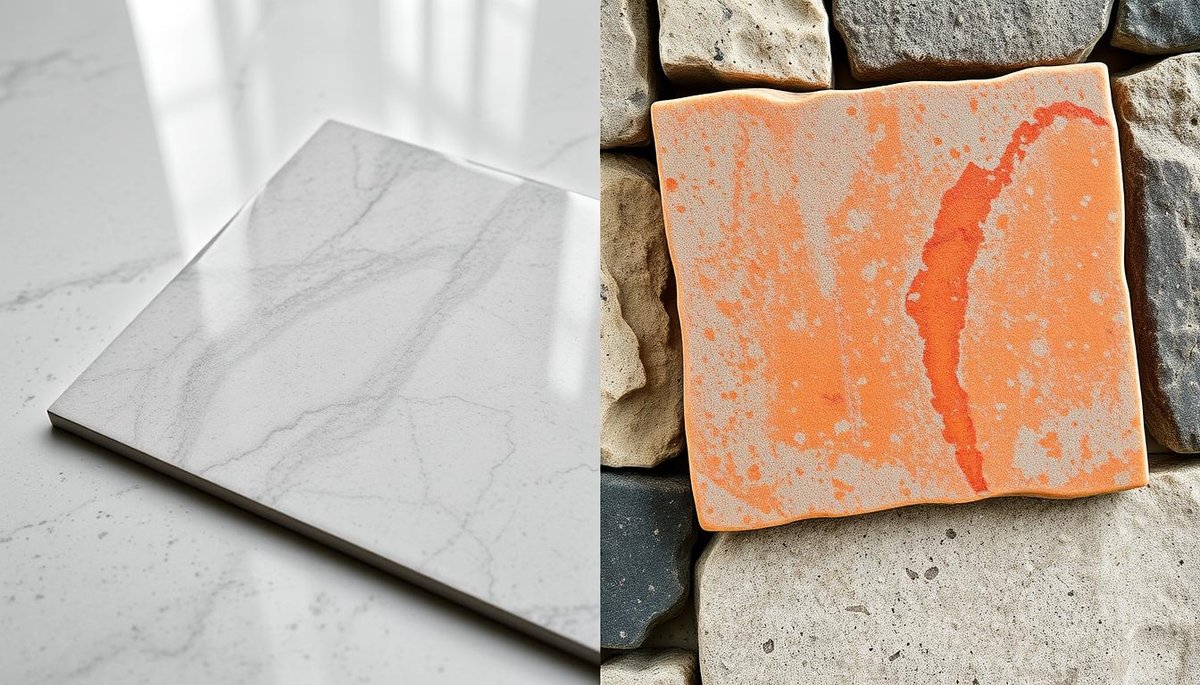
In this article, we'll look at how porcelain and ceramic tiles differ. We'll talk about their durability, water resistance, and other qualities. Porcelain tiles are often more durable than ceramic ones. Both types come in many designs and finishes, so picking the right one is key for your space.
Key Takeaways
- Porcelain tiles have a significantly lower water absorption rate than ceramic tiles.
- Porcelain tiles are denser and more durable due to higher manufacturing temperatures.
- Understanding the differences can help in selecting the right tile for specific applications.
- Both tile types offer a variety of design options; porcelain is often better for busy areas.
- Cost considerations differ, with ceramic tiles generally being more budget-friendly.
Understanding the Basics of Ceramic Tiles
Ceramic tiles are a great choice for flooring because they look good and work well. They are made from semi-coarse clay and fired at high temperatures. This process makes them perfect for many indoor spaces.
What are Ceramic Tiles?
Ceramic tiles are loved for their affordability and design variety. They are often used in bathrooms and kitchens. These tiles can handle some moisture, but they're not for outdoor use.
Common Uses for Ceramic Tiles
Ceramic tiles are great for living rooms, kitchens, and bathrooms. About 25% of them are used in wet areas, like bathrooms. Over 40% of homeowners choose them for their price and style.
Advantages of Ceramic Tiles
Ceramic tiles are affordable, costing between $5 to $10 per square foot. They are easy to install, making renovations quicker. They also look good in any room, adding style to your space.

The Nature of Porcelain Tiles
To understand porcelain tiles, we must look at their special qualities. These tiles are made from fine clay and fired at very high temperatures, over 1200°C (2192°F). This makes them harder, more durable, and less porous than regular ceramic tiles.
What are Porcelain Tiles?
The making of porcelain tiles involves choosing the right materials and firing them at high temperatures. This results in tiles that absorb less than 0.5% water. This low porosity makes them great for both inside and outside use, even in wet places. Their dense nature adds to their strength and gives them a sleek look that fits many styles.
Key Characteristics of Porcelain Tiles
Porcelain tiles are known for their durability, making them perfect for busy areas. They are stronger than regular ceramic tiles, scoring 4 to 5 on the MOHS scale. They can also handle freeze-thaw cycles, making them ideal for outdoor use. Porcelain tiles come in many designs and colors, but they often have fewer options than ceramic tiles.
Composition Differences: Ceramic vs. Porcelain
Ceramic and porcelain tiles differ in their raw materials. Knowing these differences helps us understand their performance, looks, and uses.
Materials Used in Ceramic Tiles
Ceramic tiles are made from coarse clay. They are fired at about 1,000°C (1,832°F). This makes them absorb more water, from 3% to 7%.
This high water absorption can be a weakness in wet places. Yet, ceramic tiles are versatile. They come in many colors and finishes, making them great for homes.
Materials Used in Porcelain Tiles
Porcelain tiles are made from finer clay, called kaolin. They are fired at over 1,200°C (2,192°F). This makes them denser and less absorbent.
Porcelain tiles absorb less than 0.5% water. This makes them strong and less likely to crack. They look like stone or wood but have fewer color options than ceramic.
Durability and Strength
When picking flooring, it's key to think about how long it will last. Ceramic tiles are good for many places, but they might not last as long in busy areas.
How Durable Are Ceramic Tiles?
Ceramic tiles are made from clay and fired at high temperatures. This makes them somewhat durable, mostly for homes. They soak up water, which can be a problem in damp places.
The Porcelain Enamel Institute (PEI) rates ceramic tiles from 1 to 4. A rating of 4 means they can handle some foot traffic. But, they might need to be replaced more often in very busy spots.
Porcelain Tiles: Strength and Hardness Comparison
Porcelain tiles are much stronger than ceramic ones. They're made from finer clay and fired at even higher temperatures. This makes them perfect for places with lots of people walking by.
Porcelain tiles have a PEI rating of 5, the highest. They're great for busy areas like hallways and shops. They also don't soak up much water, making them perfect for wet places like kitchens and bathrooms.
Porcelain tiles are denser and less porous than ceramic ones. This means they're less likely to chip or get damaged. They're a great choice for both homes and businesses because they last a long time.

Water Resistance: A Key Factor
Knowing the difference in water resistance between ceramic and porcelain tiles is key. These tiles have different levels of moisture absorption and durability. This affects your choice for different places.
Ceramic Tiles and Moisture
Ceramic tiles are more porous, soaking up more than 0.5% of their weight in water. This makes them less good for places with lots of moisture, like bathrooms or kitchens. Glazed ceramic tiles do help with water resistance, but they're not as good as porcelain tiles.
Installing ceramic tiles can be easier for DIY projects. This might appeal to homeowners who want to save money.
How Porcelain Tiles Handle Water
Porcelain tiles, on the other hand, are very water-resistant. They absorb less than 0.5% of their weight in water. This makes them perfect for busy areas and places with lots of moisture.
Many porcelain tiles have PTCA certification. This shows they meet high standards for water absorption and durability. Their density helps them resist moisture and last longer in many settings.
Heat Resistance: Choosing the Right Tile
When picking tiles, knowing their heat resistance is key. Ceramic and porcelain tiles both resist heat, but in different ways. Understanding these differences helps make better choices for your space.
Ceramic Tiles and Temperature Tolerance
Ceramic tiles can handle some heat. They're good for places with normal temperature changes. But, they might crack under extreme heat.
For areas with lots of heat, like kitchens or patios, ceramic tiles might not be enough.
Porcelain Tiles and Heat Resistance
Porcelain tiles, on the other hand, are top-notch in heat resistance. They're made at very high temperatures, making them strong and dense. This density helps them resist water, scratches, and UV rays well.
They're perfect for hot spots, like fireplaces or around woodstoves. Porcelain tiles can handle high temperatures without breaking. This shows how well they handle heat.
If you're choosing tiles for hot areas, think about porcelain. For more on finding the right flooring, check out on our website.
Aesthetic Variations
Ceramic and porcelain tiles offer a wide range of designs to enhance any space. They come in many colors, patterns, and finishes. This lets homeowners show off their personal style, from rustic to modern.
Design Options for Ceramic Tiles
Ceramic tiles are known for their versatility in design. They are affordable and offer many styles, more than porcelain. You can find them in various colors, textures, and patterns.
They are great for accent walls or vibrant floors. Ceramic tiles are also light and easy to cut, perfect for DIY projects. This lets people customize their homes freely.
Design Options for Porcelain Tiles
Porcelain tiles are durable and beautiful. Thanks to new printing tech, they can look like wood or stone. This gives homes an elegant, authentic look.
Even though there are fewer options than ceramic, porcelain's designs are stunning. They're perfect for modern homes, like luxury bathrooms and stylish patios.

Cost Considerations: Ceramic vs. Porcelain
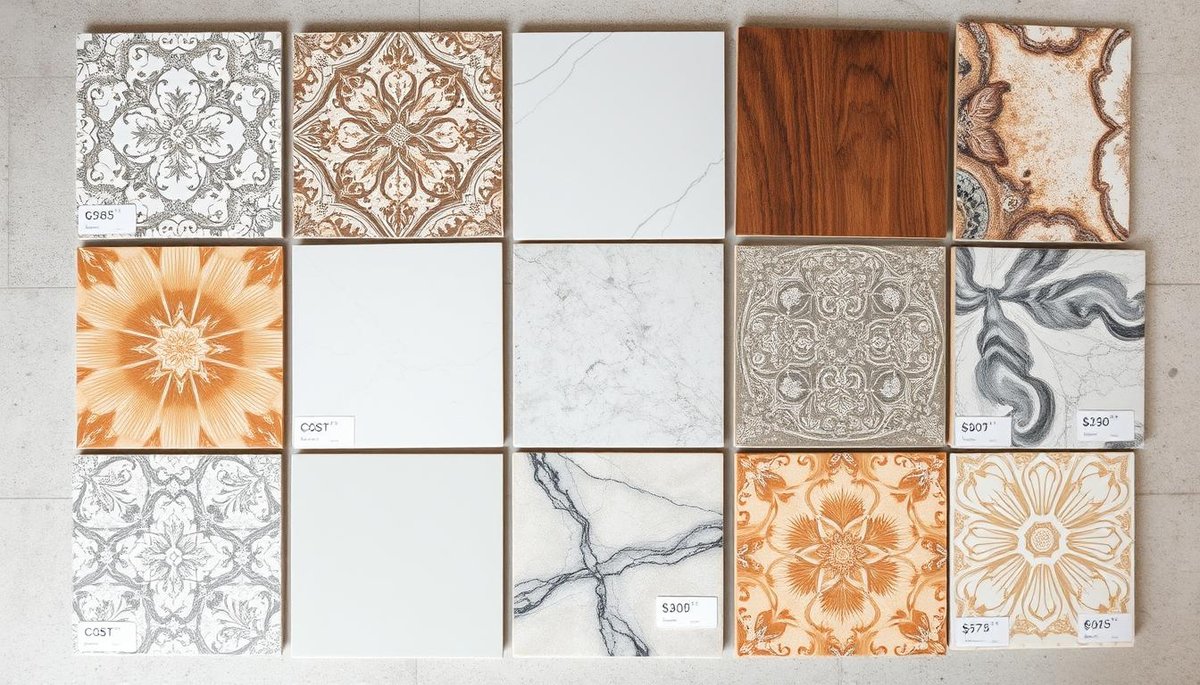
It's important to know the cost differences between ceramic and porcelain tiles. This helps you choose the right flooring for your home. Ceramic and porcelain tiles have different prices, durability, and uses.
Pricing of Ceramic Tiles
Ceramic tiles are often cheaper, costing between $1 and $5 per square foot. They are a good choice for those looking to save money, like on big projects. Ceramic tiles work well in places with less foot traffic, like bathrooms and living rooms.
Pricing of Porcelain Tiles
Porcelain tiles are pricier, costing between $3 and $10 per square foot. They are made from denser materials and are more complex to make. This makes them more durable and suitable for busy areas and places with a lot of moisture.
Even though porcelain tiles cost more upfront, they can save you money in the long run. They last up to 50 years, compared to ceramic tiles' 20-year lifespan. This means you won't have to replace them as often, saving you money.
Installation and Maintenance Differences
Choosing between ceramic and porcelain tiles means understanding their unique needs. The installation process for each is different. It's key to pick the right method for your tile type.
Installing Ceramic Tiles: What to Know
Installing ceramic tiles is easier, making it a popular choice for DIY fans. About 70% of homeowners try it themselves. You'll need basic tools like a tile cutter and spacers.
Ceramic tiles might chip or crack in busy spots. But, they're affordable and come in many designs. This appeals to 60% of homeowners for their homes.
Keeping ceramic tiles clean is simple. Just use warm water and detergent. This keeps them looking good with little effort.
Installing Porcelain Tiles: What to Expect
Porcelain tiles are harder and heavier, making installation harder. You might need special tools and a pro team. This can cost 20% to 50% more than ceramic tiles.
Only about 30% of homeowners try to install porcelain tiles themselves. It requires more skill. But, porcelain tiles last longer, making them great for busy areas.
Maintaining porcelain tiles is easy. Just sweep and mop. Their low porosity means they're less likely to stain. Tips for installing porcelain often include sealing and handling them right.

Choosing Between Ceramic and Porcelain Tiles
When picking flooring, knowing the difference between ceramic and porcelain tiles is key. Each type has its own traits that can guide your choice. Your budget, how durable you need the tiles, where they'll go, and how they look are all important.
Ceramic tiles are often cheaper and easier to install yourself. This is because they are softer and more flexible.
Factors to Consider in Your Decision
Ceramic tiles save money upfront, but porcelain tiles last longer. Porcelain is better for places with lots of people walking by, thanks to its high durability.
If your area gets wet a lot, like bathrooms or outdoor spaces, porcelain is a better choice. It absorbs less than 0.5% of water. On the other hand, ceramic tiles come in more colors and styles.
So, deciding between ceramic and porcelain depends on your project's needs. Think about how many people will walk on it, how wet it will get, and your budget. This way, you can pick the best tiles for both looks and function.
Why Choose American Flooring for Your Tile Needs?
For over 20 years, American Flooring has served the Greater Lansing, DeWitt, and Okemos areas. We're known for quality and great service in flooring. Our wide selection of tiles from top manufacturers means you get the latest trends
Being a family-owned business, we make shopping for flooring easy and fun. You can find the perfect tiles for your home with us.
Our Commitment to Quality and Service
At American Flooring, quality is our top priority. Our team helps you pick the best tiles, whether it's ceramic, porcelain, or natural stone. We offer expert advice in flooring services in Lansing, MI.
Our goal is to make sure your new floors look great and are practical. We help you choose based on your design and maintenance needs.
Contact Us for Expert Guidance in Lansing, MI
Need help with your tile selection? Contact American Flooring. Call our Okemos location at (517) 349-4300, DeWitt at (517) 246-0450, West Lansing at (517) 321-6000, or our Flooring Outlet at (517) 721-7323.
Let us help you upgrade your home. They'll show off your style and meet your needs.
FAQ
Porcelain tiles are denser and fired at higher temperatures than ceramic tiles. This makes them more durable and water-resistant. Ceramic tiles, made from semi-coarse clay, are good for indoor use. They come in many styles but are more porous.
Ceramic tiles are made from semi-coarse clay. They are fired at temperatures of about 1,800°F to 2,000°F. They are affordable, versatile, and often used in living spaces, kitchens, and bathrooms.
Ceramic tiles are cost-effective and easy to install. They come in many designs and are great for indoor use.
Porcelain tiles are a denser type of ceramic tile. They are made from fine kaolin clay and fired at higher temperatures (2,200°F to 2,500°F). This makes them harder, less porous, and perfect for both indoor and outdoor use.
Porcelain tiles have low water absorption rates (0.5% or less). They are very durable. They can also look like natural materials like stone or wood.
Ceramic tiles are made from semi-coarse clay. This clay is fired to affect its durability and water absorption.
Porcelain tiles are made from fine kaolin clay. This clay gives them strength and density, unlike coarse clay in ceramic tiles.
Ceramic tiles are fairly durable but their strength varies. They usually have lower PEI ratings than porcelain, making them less ideal for high-traffic areas.
Porcelain tiles are stronger and more durable than ceramic tiles. They often have higher PEI ratings, showing better performance in busy areas.
Ceramic tiles are more porous. They absorb 0.5% or more of their weight in water. This makes them less suitable for areas with a lot of moisture.
Porcelain tiles are classified as impervious. They absorb 0.5% or less moisture. This makes them perfect for places prone to water, like bathrooms and outdoor patios.
Ceramic tiles have good heat resistance but may not handle extreme temperatures as well as porcelain. This is because they are less dense and more porous.
Porcelain tiles resist heat very well. Their density and firing process make them suitable for high-temperature areas like kitchens and fireplaces.
Ceramic tiles come in many colors, patterns, and finishes. This allows for customization to fit different tastes.
Porcelain tiles can look like natural materials like stone and wood. Advances in printing technology offer a wide range of colors and styles for artistic expression.
Ceramic tiles cost between $3 to $50 per square foot. The price depends on quality and design.
Porcelain tiles cost between $2 and $45 per square foot. Prices are influenced by quality and origin.
Installing ceramic tiles is easier, making them good for DIY projects. Their lighter weight and flexibility allow for various installation methods.
Installing porcelain tiles usually requires professional help. Their density and weight need specialized tools and techniques for proper installation.
Consider your budget, durability, water resistance, location, and aesthetic preferences when choosing between ceramic and porcelain tiles.