Skip to Main Content
5100 Marsh Road, Okemos, Michigan 48864
Fax: (517) 349-4666
Mon 9:00AM - 6:00PM
Tue 9:00AM - 6:00PM
Wed 9:00AM - 6:00PM
Thu 9:00AM - 6:00PM
Fri 9:00AM - 6:00PM
Sat 10:00AM - 3:00PM
Sun Closed
13151 Schavey Road, DeWitt, MI 48820
Mon 9:00AM - 6:00PM
Tue 9:00AM - 6:00PM
Wed 9:00AM - 6:00PM
Thu 9:00AM - 6:00PM
Fri 9:00AM - 6:00PM
Sat 10:00AM - 3:00PM
Sun Closed
739 Brookside Dr., Lansing, MI 48917
Mon 9:00AM - 6:00PM
Tue 9:00AM - 6:00PM
Wed 9:00AM - 6:00PM
Thu 9:00AM - 6:00PM
Fri 9:00AM - 6:00PM
Sat 10:00AM - 3:00PM
Sun Closed
1435 Diamond Reo Way, Lansing, MI 48910
Mon 9:00AM - 4:00PM
Tue 9:00AM - 4:00PM
Wed 9:00AM - 4:00PM
Thu 9:00AM - 4:00PM
Fri 9:00AM - 4:00PM
Sat Closed
Sun Closed

How Does Engineered Wood Flooring Differ from Solid Hardwood Flooring?

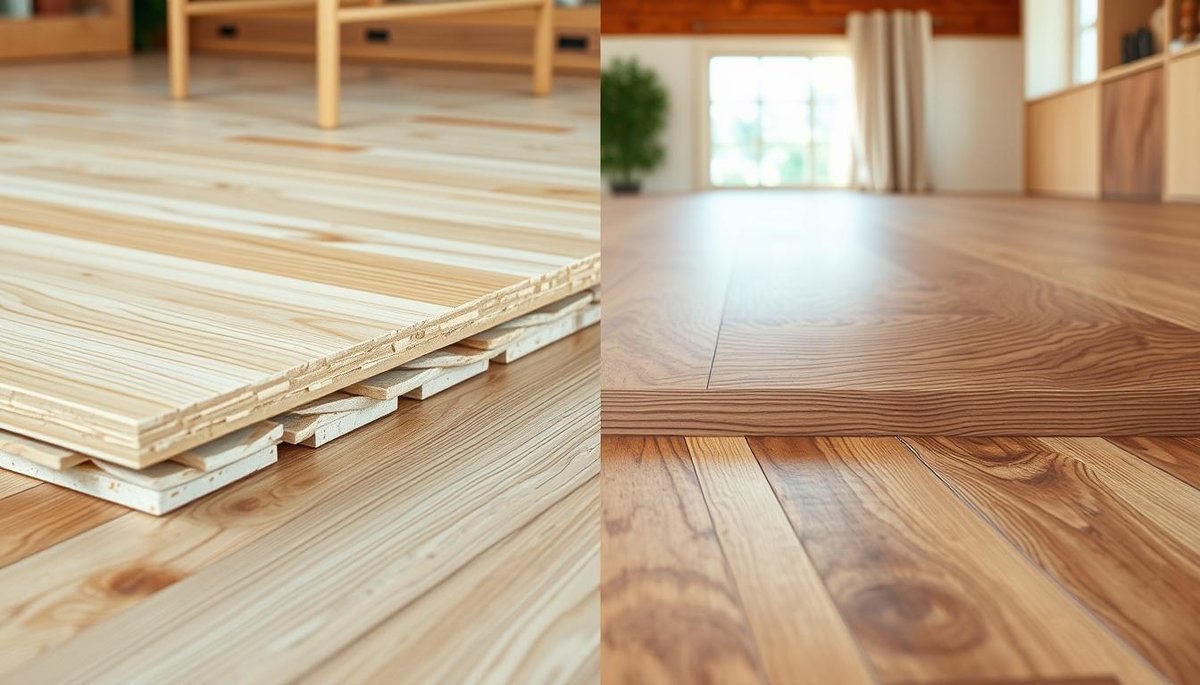
Ever thought about whether your dream floor should be solid wood or engineered wood? Choosing between these options is more than just looks. It's about durability, how it's installed, and its impact on the environment. Solid hardwood comes from 100% real wood, while engineered wood has layers, including real wood on top.

Engineered wood is better for places with a lot of moisture. It's more stable and doesn't change much with the weather. Let's dive into the differences and help you pick the best flooring for your home.

Key Takeaways

  • Solid hardwood is made from entirely real wood, while engineered wood has layers topped with real wood veneer.
  • Engineered hardwood is more resistant to moisture, making it ideal for high-moisture areas.
  • Solid hardwood may warp or cup in humid conditions, whereas engineered wood maintains its stability.
  • Engineered wood offers waterproof options, unlike solid hardwood, which is not suited for very moist environments.
  • Solid hardwood costs more and has a longer lifespan, but engineered wood provides enhanced durability in variable climates.
Understanding Engineered Wood Flooring

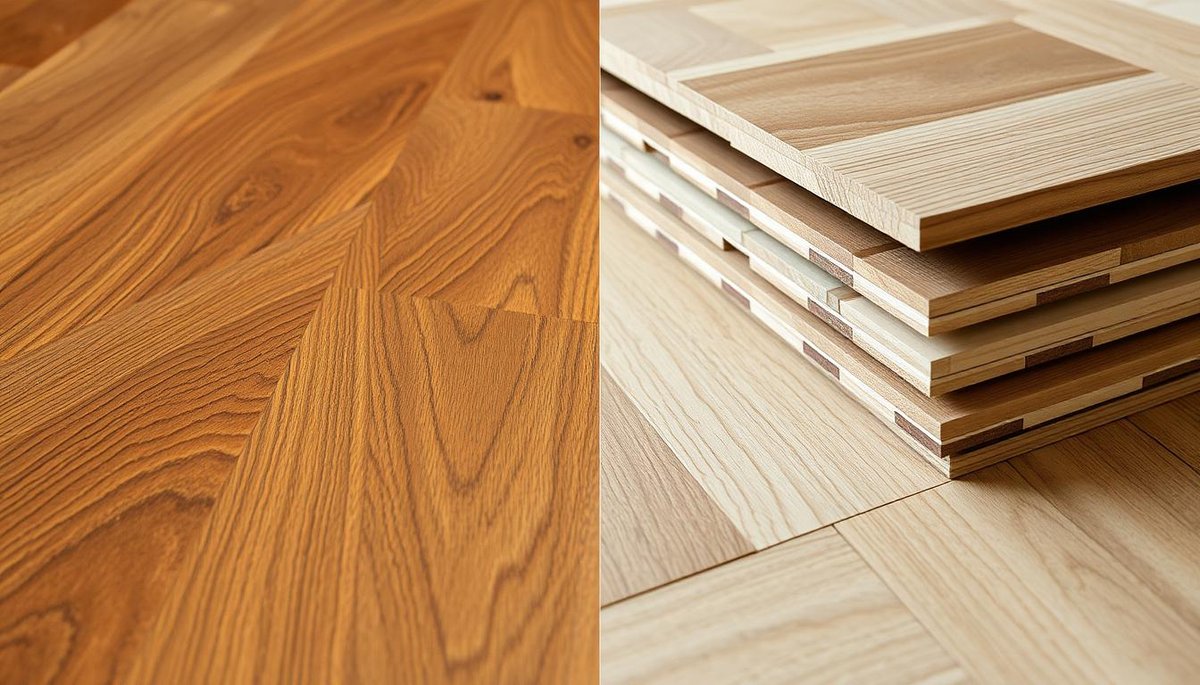
Engineered wood flooring is a modern choice that looks great and works well. It has layers that make it strong and good for many places.

Definition and Components

It has a top layer of real hardwood and a core made from plywood or other materials. This design makes it stable and less likely to warp. It's perfect for areas with a lot of moisture, like basements.

Installation Methods

There are several ways to install it, like floating, nail-down, and glue-down. This makes it easy to fit in different homes. Engineered wood is faster to install than solid hardwood, working well on many subfloors.

Maintenance Requirements

To keep it looking good, clean it with a damp mop and avoid too much water. Fix small scratches with a wax repair kit. With the right care, it can last 20 to 30 years, making it a smart choice for homes.

How does engineered wood flooring differ from solid hardwood flooring

Overview of Solid Hardwood Flooring

Solid hardwood flooring is a classic choice for homes. It's durable and beautiful, made from a single piece of wood. It can last 30 to 100 years with care, outlasting engineered wood.

Definition and Features

Solid hardwood flooring is 100% natural wood, giving it a real and rich look. It's about 3/4 inch thick, making it very durable. You can sand and refinish it many times, making it a smart choice for your home.

But, it's not good for very wet places. For more info, check out these solid hardwood flooring advantages.

Types of Wood Used

Common woods for solid hardwood flooring are oak, maple, walnut, and cherry. Each has its own look and feel. This lets homeowners pick the perfect wood for their style.

These woods not only look great but also affect how well the flooring works. This is compared to engineered wood.

Durability and Lifespan

Solid hardwood flooring is very durable. With the right care, it can last over 50 years. You can refinish it many times to keep it looking new.

But, it can warp if it gets too wet or humid. So, it's best in places that aren't too wet.

Differences in Composition

The type of flooring material matters a lot for different places. Knowing how each floor is made helps you choose between engineered wood and solid hardwood. The way they are built affects how well they work in different settings.

Layers in Engineered Wood

Engineered wood has a special design with three or more layers. The top layer is real hardwood, and the rest are made of fiberboard. This design makes engineered wood less likely to warp or cup.

Some engineered wood even has a waterproof core. This is great for places that get a lot of moisture.

Solid Construction of Hardwood

Solid hardwood, on the other hand, is made from one piece of real wood. It's strong but can change size with the weather. This can cause problems like warping in humid places.

Because of this, solid hardwood isn't good for areas that get a lot of moisture. It also can't be put over heat sources without getting damaged.

Impact on Stability

The way engineered wood and solid hardwood are made affects their stability. Engineered wood can handle changes in temperature better. It's good for places like bathrooms and kitchens.

Solid hardwood, being one piece, can't handle moisture well. It's not safe for places with a lot of humidity. So, engineered wood might be a better choice for homes with changing humidity.

How does engineered wood flooring differ from solid hardwood flooring

Installation Comparisons

Choosing between engineered wood and hardwood flooring often comes down to installation. The ease of installation can greatly affect both time and cost. This is a key factor to consider.

Engineered Wood Installation Ease

Engineered wood is known for its easy installation. It comes in click-lock and floating styles, perfect for DIY projects. This flooring can go over concrete or existing floors, making it very versatile.

It can be glued, nailed, or floated, which is great for those new to flooring installation. This makes it easier for homeowners to install without professional help.

Solid Hardwood Installation Challenges

Solid hardwood installation is more complex. It usually needs to be nailed down, which requires special tools and skills. This makes it hard for DIYers to handle.

Installing solid hardwood takes more time and effort, increasing costs. For solid hardwood, getting a professional is often the best choice. They ensure proper installation and avoid common mistakes.

Professional Installation Benefits

Choosing professional installation for solid hardwood has many benefits. Experts can install it seamlessly, ensuring it lasts longer. They make sure it's installed correctly to avoid warping or gaps.

With proper installation, solid hardwood can be refinished multiple times. This extends its life and keeps it looking new. Homeowners will appreciate this long-term value.

Durability and Performance

When looking at engineered wood flooring and solid hardwood, durability and performance are key. Each type has its own strengths and weaknesses that impact how long it lasts.

Scratch Resistance

Engineered hardwood has moderate to high scratch resistance. It's more resistant than solid hardwood but can get deep scratches if the veneer is damaged. Solid hardwood, on the other hand, is much better at resisting scratches.

It can be sanded down many times, which helps it last longer. This makes it a great choice for homes with pets and lots of foot traffic.

Moisture Resistance

Moisture resistance is a big difference between these two. Engineered hardwood does better in humid places because of its layered construction. But, too much moisture can cause problems like delamination.

Solid hardwood is beautiful but can warp if it gets too wet. It needs careful moisture management to stay in good shape.

Lifespan Comparison

When it comes to how long it lasts, solid hardwood wins. With the right care, it can last for many generations. It can be refinished many times, which adds to its lifespan.

Engineered hardwood usually lasts 20-30 years, depending on the veneer thickness and how well it's maintained. For many, the longer life of solid hardwood is a big reason to choose it.

How does engineered wood flooring differ from solid hardwood flooring

Aesthetic Variations

Engineered wood and solid hardwood flooring have their own looks. Homeowners need to think about what they like. Engineered wood has fewer colors and species but can fit many styles.

It's versatile because of different finishes and treatments. These can match many decor themes.

Appearance of Engineered W ood

Engineered wood looks natural, like solid hardwood. Its top layer is real wood veneers. This gives it a convincing look across different species.

Manufacturing has improved, making finishes better. These finishes highlight the grain patterns well.

Customization Options for Hardwood

Solid hardwood flooring offers many customization choices. You can pick from various species, stains, and finishes. This lets you create a look that's just right for you.

You can also choose unique lengths, widths, and textures. This makes your installation truly special.

Popular Finishes and Styles

Both flooring types have many finish options. You can choose from matte, satin, and glossy finishes. These finishes add to the space's character.

Engineered wood finishes are great for modern looks. Solid hardwood is perfect for traditional styles. This way, you can get a look that's uniquely yours, whether it's modern, rustic, or classic.

Cost Analysis

Looking at the costs of engineered wood flooring and solid hardwood flooring shows big differences. These differences are important for anyone thinking about renovating or building a new home. They consider both the upfront costs and the long-term value.

Pricing of Engineered Wood Flooring

Engineered wood flooring is often cheaper, costing between $3 to $10 per square foot. This makes it about 20-30% less expensive than solid hardwood. People choose engineered wood because it's more affordable and can handle moisture better, reducing problems like warping.

Investment in Solid Hardwood

Solid hardwood floors cost more, ranging from $8 to $15 per square foot. Even though they are more expensive upfront, they last longer and can be refinished up to 5-7 times. This makes solid hardwood a good choice for those looking for long-term value.

Long-Term Value Considerations

The long-term value of these flooring options is quite different. Solid hardwood can last over 100 years with the right care. Engineered wood flooring, on the other hand, usually lasts about 30 years. Even though engineered wood is cheaper at first, solid hardwood's durability and refinishing options might offer more value over time. Buyers should think about their budget and lifestyle when deciding.

Environmental Impact

Choosing the right flooring is key for homeowners who care about the planet. It's important to know the difference between engineered wood and solid hardwood. This helps those who want to choose sustainable options.

Sustainability of Engineered Wood

Engineered wood flooring is a greener choice. It's made with a hardwood veneer on top and plywood or fiberboard below. This way, more wood can be used, saving resources.

The making process uses less energy than solid wood. Plus, many engineered wood products have finishes that don't harm indoor air quality.

Source and Harvesting of Hardwood

Solid hardwood flooring uses whole trees, wasting more wood. It's important to source wood sustainably. Look for certifications like FSC and SFI to ensure it's done right.

Milling and moving solid wood from far-off places uses a lot of energy. This increases the carbon footprint of these materials.

Eco-Friendly Flooring Options

Your flooring choice affects the environment and the planet. Engineered wood uses less desirable wood in hidden layers. This saves more valuable hardwood for other uses.

Both types can be recycled, reducing waste and supporting a circular economy. Choosing locally made engineered wood cuts down on carbon emissions. This makes engineered wood a better choice for the environment.

How does engineered wood flooring differ from solid hardwood flooring

Choosing the Right Option for Your Home

Choosing the right flooring for your home is a big decision. You need to think about your home, what you like, and how you live. It's important to understand the differences between engineered wood and solid hardwood.

Factors to Consider

Things like where you live, how humid it is, and how much foot traffic you get matter. Engineered wood is good at handling moisture and temperature changes because it's made in layers. This makes it a great choice for places that are wet or have a lot of humidity.

Solid hardwood is beautiful but can get damaged in damp places. Knowing your home's climate helps you pick the right flooring.

Personal Preferences and Lifestyle

Think about your lifestyle too. Families with pets or people with allergies might want flooring that's easy to clean and lasts long. Engineered wood is a good choice because it's durable and can be used in wet areas. It also gives you more design options without losing functionality.

Consultation with Flooring Experts

Talking to a flooring expert can give you advice that's just right for you. They can look at your home, what you like, and how you live. They'll help you choose the best flooring and tell you how to take care of it so it lasts a long time.

Why Choose American Flooring for Your Flooring Needs

Choosing a flooring provider in Lansing, Michigan, is easier with local knowledge. American Flooring Lansing has over 20 years of experience in engineered wood and solid hardwood. They offer guidance that fits your specific needs in Lansing.

Their team knows local trends, climate, and design preferences well. This makes them perfect for your next flooring project.

Local Expertise in Lansing, Michigan

American Flooring is known for its deep understanding of engineered wood and solid hardwood. They help you choose the right flooring that looks good and works well. Whether you need flooring for wet areas or something that lasts long, they have the right advice.

Exceptional Customer Service

Customer happiness is key at American Flooring. They offer top-notch flooring and service that makes shopping better. With locations in Lansing, Okemos, and DeWitt, you can visit or call (517) 349-4300 for help.

They make the flooring process easy and supportive. This ensures your project is a success.

Contact Us for More Information

Choosing the right flooring can change your home. American Flooring is here to guide you every step of the way. They offer products for all tastes, great service, and know the local market well.

FAQ

Engineered wood has layers with a hardwood top and a substrate. Solid hardwood is made from one piece of timber.

You can install engineered wood by floating, nailing down, or gluing it. This makes installation flexible.

Engineered wood lasts 20 to 30 years. Solid hardwood can last 30 to 100 years with care and refinishing.

Yes, engineered wood is good for humid places. It handles moisture changes well.

Yes, solid hardwood can be sanded and refinished many times. This keeps it looking good and extends its life.

Engineered wood is eco-friendly. It uses timber efficiently and has green finishes that cut down on VOCs.

Oak, maple, walnut, and cherry are common. Each has its own look and durability.

Engineered wood costs about $4.50 per square foot. Solid hardwood can be $5 to $28 per square foot, depending on the type and quality.

Engineered wood has fewer color and design options than solid hardwood. But it can match many decor styles.

Think about where you'll put the flooring, humidity, foot traffic, and your lifestyle. Talking to flooring experts can help you choose.